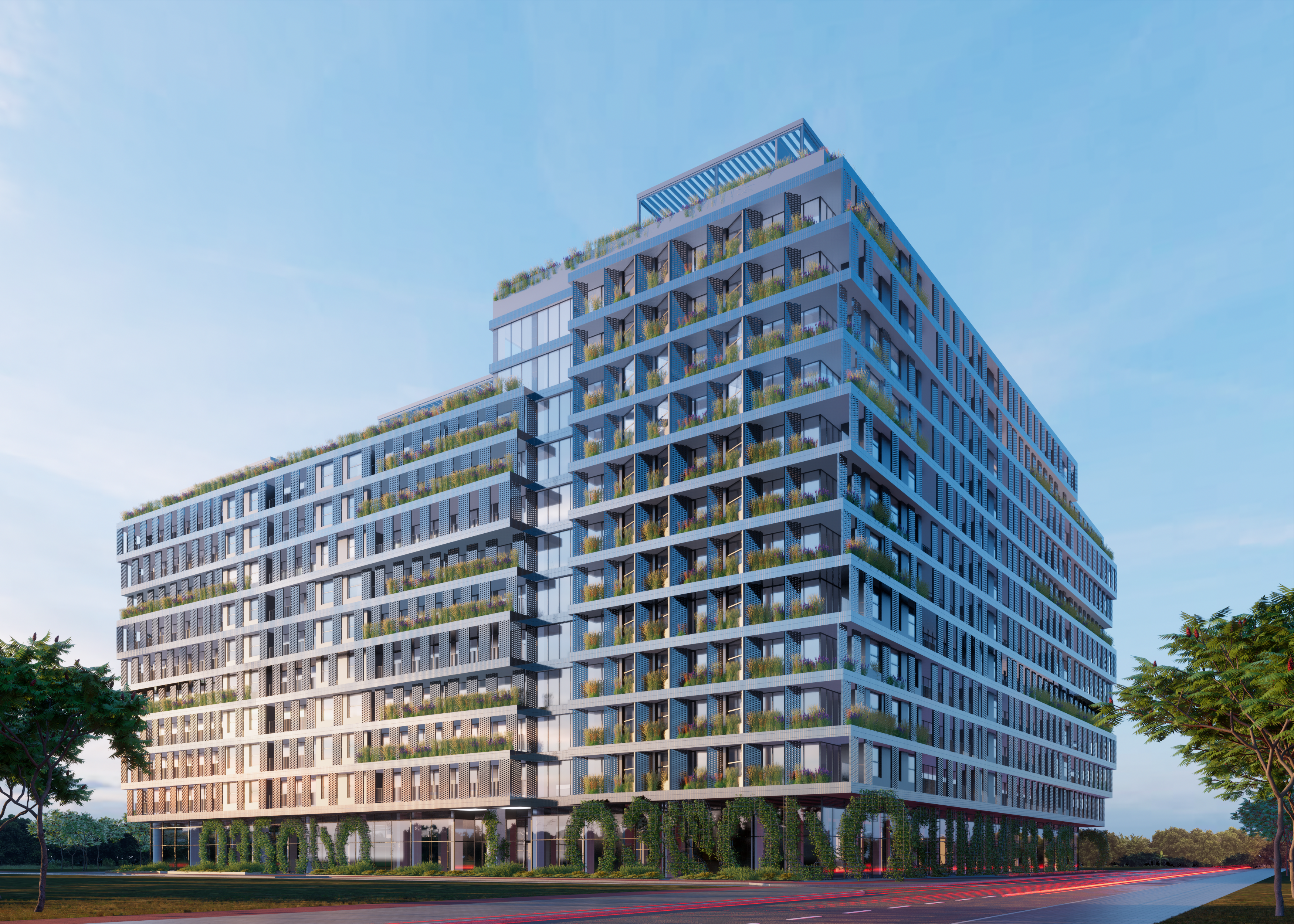
How do you convince a real estate market accustomed to building faceless, speculative "concrete boxes" to buy into a community-centric, "living-for-life" concept? In the "Summer 365" project, Ksenia Gavrilova's boutique team outperformed global consulting firms by delivering a data-driven product tailored to the local context. The result was a unique urban ecosystem featuring the city's first car-free courtyard and an on-site kindergarten.
1. The Challenge: Identity Crisis in an Overheated Market
The Batumi real estate market was hindered by systemic, structural issues:
- Homogeneous Speculative Development: A dominance of short-term rental apartments coupled with a severe shortage of high-quality infrastructure for permanent residency (e.g., schools, kindergartens, safe playgrounds).
- Consumer Skepticism: Low consumer trust in developers' promises and a lack of local understanding of what true "business-class" housing entails.
- Localization Barriers: Challenges in translating authentic Georgian hospitality and "sense of place" into modern architectural forms.
2. The Solution: Research-First Product Development
Ksenia transformed the traditional real estate development process by introducing a "research-first, design-second" methodology:
- In-Depth Sociocultural Research: Moving away from generic market surveys, the team conducted a comprehensive urban audit. They walked the entire city on foot to map informal social networks, hidden community hubs, and local cultural codes (e.g., integrating the story of "Kupata," Batumi's iconic community dog, as a symbol of safety and local warmth).
- The "Leto" (Summer) Residents' Guide: Created a 300-page interactive guidebook structured around the 12 months of the traditional Georgian calendar. Far from a basic marketing brochure, it serves as a comprehensive lifestyle manual, detailing everything from local culinary spots to the legal intricacies of obtaining residency permits.
- Data-Driven Design: Ksenia’s team provided architects with a robust dataset derived from sociocultural insights. Armed with these research-backed findings, the designers finalized the complex’s architectural identity, incorporating national patterns and implementing functional zoning that was revolutionary for the local market, including a pedestrian-first, car-free courtyard.
3. The Impact: Redefining Market Standards
The "Summer 365" project established a new regional benchmark that competitors quickly began to emulate:
- Marketing Breakthrough: A launch presentation attended by over 500 guests shattered the "unknown developer" stereotype, instantly positioning the complex as an exclusive community club.
- Consumer Trust and Lifetime Value (LTV): The depth of the product development was so compelling that Ksenia herself became an investor and future resident, providing the ultimate form of "social proof" and commitment to the development's quality.
- Operational & Financial Efficiency: As a boutique consulting agency, Ksenia's team outcompeted major global firms by directly addressing the client’s real-world pain points and demonstrating deep empathy for the end-user's lifestyle.
In the Expert's Words
"Urbanism without people is merely landscaping. In Georgia, we weren't just building a residential complex; we were designing life scenarios. When you bring a copywriter to a site to feel the air and the city's pulse before they write a single word, you create a product with a soul. 'Summer 365' proved that people are willing to pay for a sense of belonging and meaning, not just square footage."
— Ksenia Gavrilova