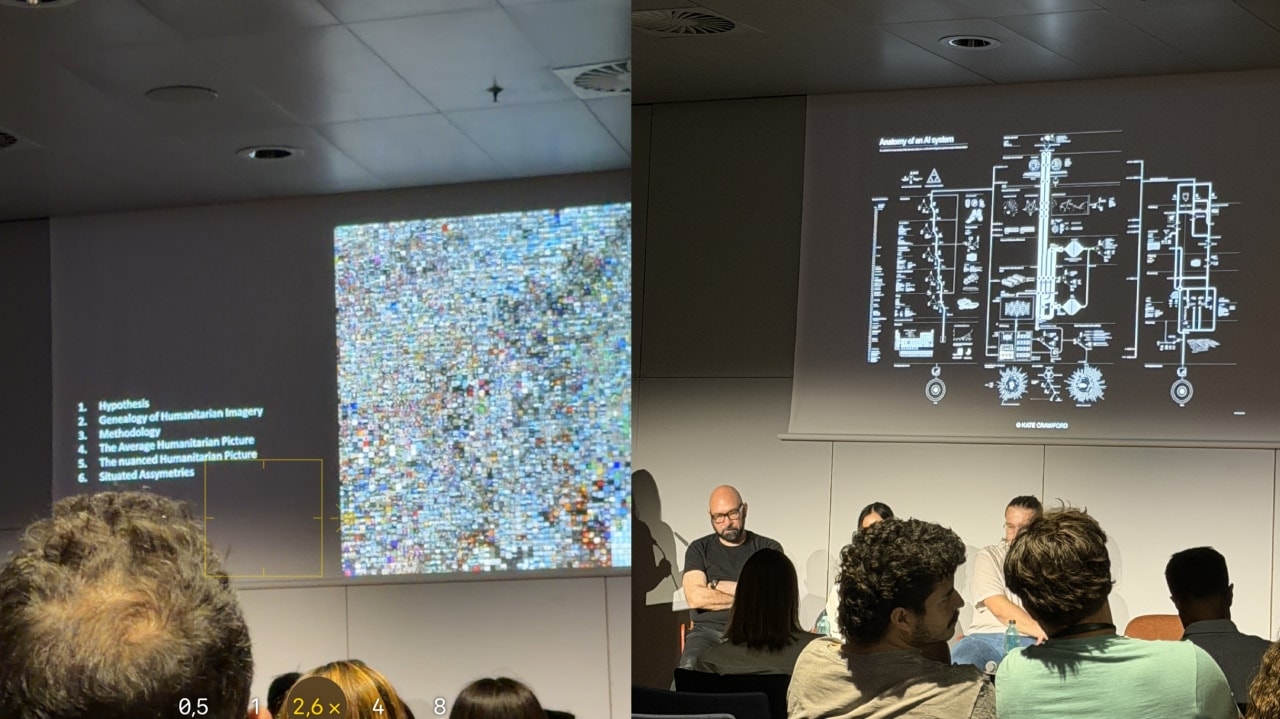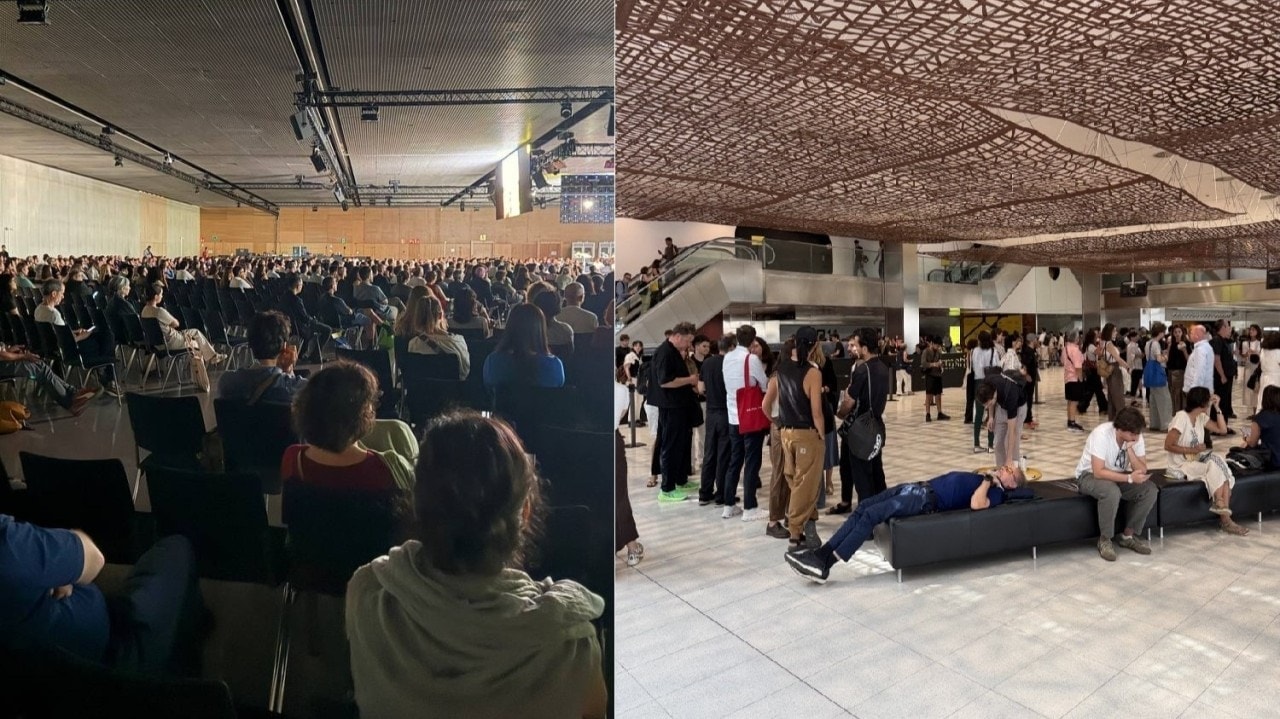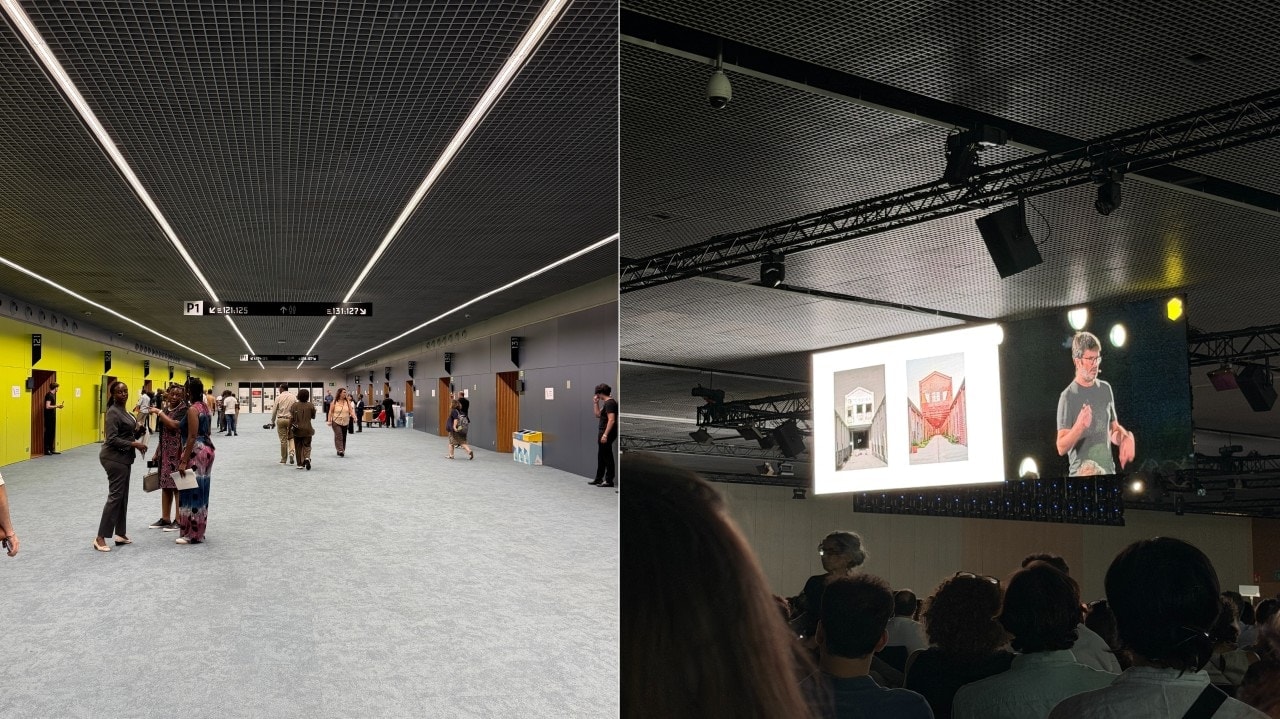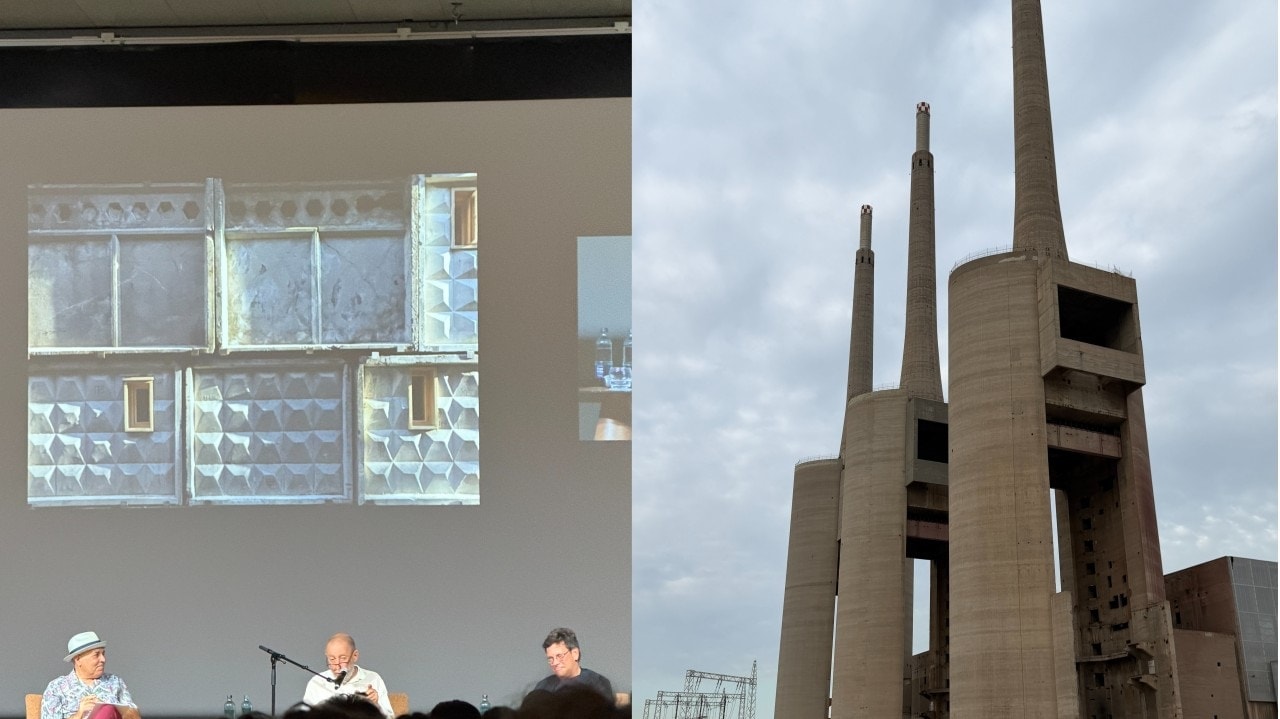
The UIA World Congress of Architects 2026 Barcelona has officially concluded. Bringing together over 10,000 participants from 130 countries and recording 30,000 visits across key venues, the event established important guidelines for the new three-year urban development cycle. The final milestone of the congress was the adoption of the Barcelona Declaration and the symbolic handover of the UIA flag to Beijing, which will host the next congress in 2029.
The declaration presents a straightforward manifesto: the climate crisis, housing deficits, displacement, and technological acceleration are no longer abstract discussion topics. They are the objective, physical conditions within which the construction industry must operate today.
We at XENIOS Bureau have aligned these declarations with the practical side of development—real economics, compliance, and the daily risks faced by practicing bureaus.
The Barcelona Declaration: Six Positions of a Planet in Transition
The organizers of the congress emphasized that history will not ask what blueprints were drawn in Barcelona; it will ask what was built because of them. The Barcelona Declaration is not a collection of passive observations, but a document establishing six clear positions endorsed by the international professional community:
TIME · On Becoming
The declaration asserts that the future is not deferred. It is already here, and it is the only honest ground on which to design. According to the congress, every act of construction must intelligently combine advanced digital technologies—such as generative AI and GIS analytics—with traditional knowledge and local territorial contexts.
MATTER · Against Tabula Rasa
The document proclaims that what already exists on a site is our first and primary building material. The concept of Tabula Rasa (the clean slate) is recognized as both a professional and economic failure. The signatories of the declaration insist that the demolition of buildings must be thoroughly justified, and every design decision must be evaluated through global disposal costs and its carbon footprint (embodied carbon).
LIFE · Beyond the Human
The declaration calls for a shift away from anthropocentrism, reminding us that humans are not the only inhabitants of the planet. Modern design must account for the interests of other biological species, carefully integrate landscape engineering, and restore the ecological balance of territories.
JUSTICE (Housing and the Common / Becoming Interdependent)
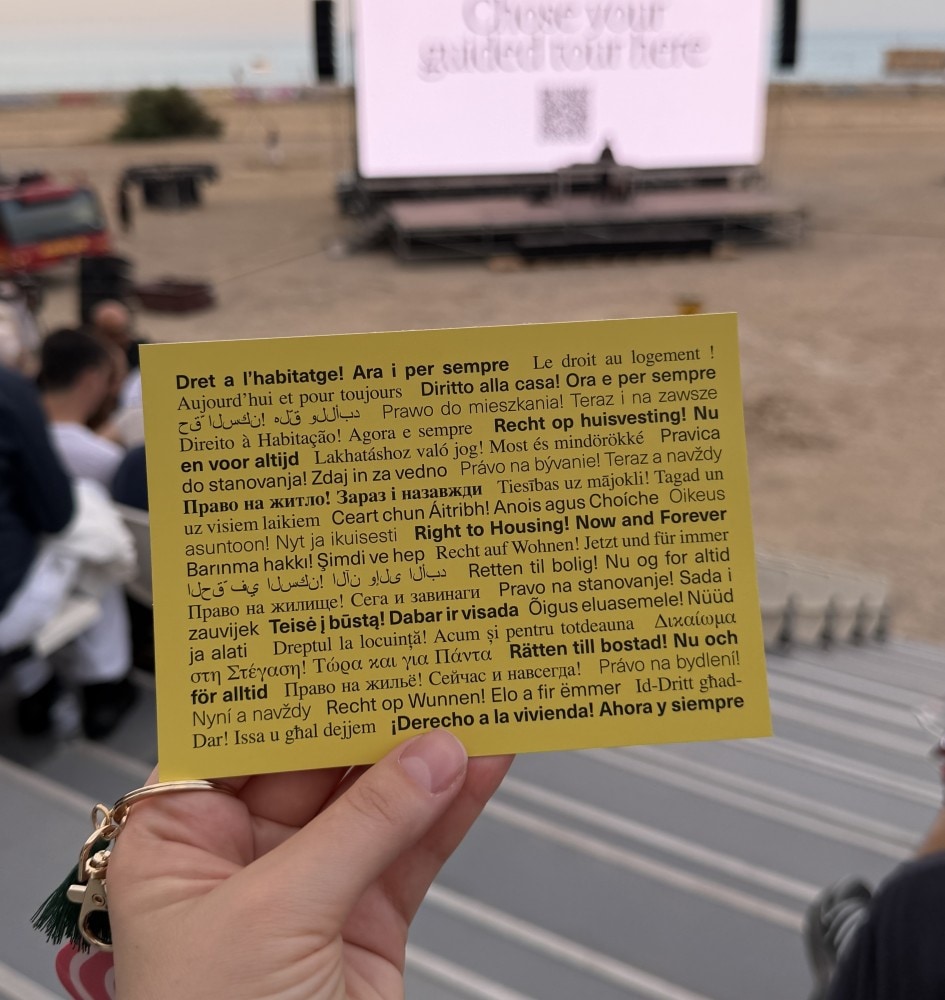
The document defines housing as a fundamental human right, rather than simply a financial instrument for generating investment returns (ROI). This right is recognized as non-negotiable. The position of the congress obliges the industry to create flexible models of affordable housing and long-term rentals.
SCALE · Local Acts, Planetary Consequences
The authors of the declaration emphasize that every decision made within a building carries consequences that extend far beyond its walls. Material choices, supply chains, and structural solutions on a specific local site have a measurable planetary scale. The construction business must actively account for these interconnections.
MEANING · Beyond the Necessary
The manifesto asserts that spatial quality and aesthetic beauty are not privileges for the few, but what the profession is obligated to provide to everyone. The beauty and tactile comfort of a city are viewed as factors that directly influence mental health and social resilience.
Three Paradoxes of Transition: Grounding Philosophy in Construction Reality
The principles of the Barcelona Declaration are compelling, but in practice, they inevitably run into three major barriers: the economics of labor, regulatory compliance, and the psychology of market demand.
Paradox 1. The Economics of Circularity vs. Labor Costs
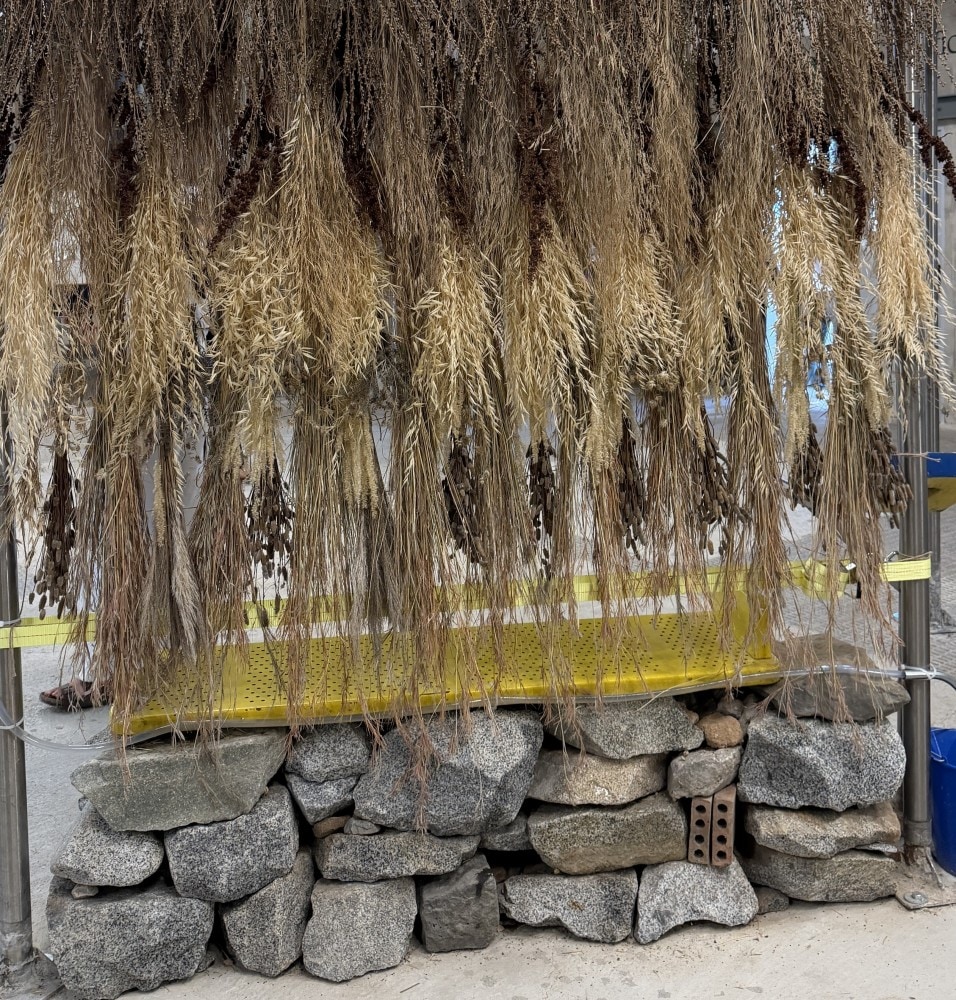
The second point of the declaration calls for a transition toward the reuse of materials (upcycling). The congress showcased promising technologies, such as scanning concrete rubble at a demolition site with a smartphone to let an algorithm assemble these fragments into a load-bearing structure.
However, this high-tech reuse obeys a fundamental economic law: high-tech circularity is most viable where labor is expensive. In developing regions with lower manual labor rates, workers can spend hours manually building walls from stone and rubble without complex algorithms. But in developed countries with high labor rates, manual sorting and assembly become cost-prohibitive. To make reuse financially viable for an investor, developers must establish automated prefabrication and supply chains. Without a calculated financial model, circular architecture remains a conceptual exercise.
Paradox 2. The Regulatory Impasse: Innovation vs. Legacy Codes
The manifesto demands the use of advanced materials and flexible layouts. However, actual design is always constrained by state regulations. In many markets, lists of "approved materials" are slow to update, and basic standards for solar access or engineering often rely on codes established in previous decades.
This creates an obvious contradiction: a modern material may have a lifespan of 50 years, but under active building codes, its use is not permitted, nudging developers toward less durable but already certified solutions.
Overcoming this barrier is less of a creative challenge and more of a meticulous legal and organizational process. To implement innovative solutions within active regulations, projects must be defended by comparing lifecycle costs (OPEX vs. CAPEX), proving to officials and investors with data: "Yes, securing custom engineering approvals requires more time upfront, but it prevents the need for a major capital overhaul just five years down the road."
Paradox 3. Social Development as a Safeguard Against Market Risks
The theme of citizen participation in environmental design was raised repeatedly during the congress. At first glance, it seems simpler for a developer to build a standard, closed residential block and sell off the units.
However, in an era of market oversaturation, the products that succeed are those that design for actual human scenarios. Deep sociological research and co-design are not charity; they represent a pragmatic calculation that protects an investor from the risk of holding an unmarketable asset.
When a project is built on thorough local research (CustDev) and respect for regional identity, it fosters a resilient community. Residents begin to care for the space and invest their own time in it. A product designed with human needs in mind ultimately demonstrates higher long-term capitalization.
In Conclusion: The Era of Urban Producing
The overarching takeaway from the UIA 2026 Congress in Barcelona is that the approach to creating purely physical structures is changing. Modern urbanism is 20% architectural form and 80% diplomacy, economics, and process management. Today, developing territories requires the skill of Resourcefulness—the ability to assemble a viable model at the intersection of investor economics, legal boundaries, and community needs.
These principles—grounding global visionary trends in the practical economics of common sense—define the approach to territorial development that modern cities require.